10 principles for successful CPG innovation
Everyone knows innovation is challenging, and there’s no easy formula for success. Moving an idea from discovery to launch is full of potential pitfalls.
But often, a lack of clarity in the ‘front-end’ leads to more costly failures downstream as you fall into those traps.
Here are 10 principles from our hands-on experience in innovation that can help you improve your chances of success.
Be clear on your strategy
Strategy gives you focus, direction, and purpose. It sets boundaries for your innovation. If you’re unsure about your strategy or how your innovation fits in, figure it out before moving on to ideas.
Where to play
Take time to define your project and clarify your focus. For example, do you want to boost your core business by updating your range, or are you exploring new categories, adjacencies, or channels? Are you aiming at current customers or new ones? Will you use existing technologies or try new ones? Your choices here will shape the work ahead, but importantly, give you guide rails to stick to.

Insight, insight, insight
What problem are you solving for the consumer, shopper, and retailer? This is often called ‘jobs-to-be-done’ and helps you stay focused. Without a clear grasp of their needs, behaviours and motivations, it’s hard to create a winning solution or make an impact.
Incubate, iterate, prototype
Your first ideas usually aren’t your best, but they’re a good place to start. Experiment with low-cost mockups and prototypes, and be open to different approaches to find the best way to solve the jobs-to-be-done.
Hunt for flaws
Teams often get attached to an idea and focus on proving it’s right.
It’s better to stay critical and ask questions like, ‘Is there another way to do this?’, ‘Is this the best way to meet consumer and customer needs?’, ‘Does this fit our brand strategy?’ and ‘Can we do this cheaper?’
This approach helps you avoid groupthink and stay aware of your own blind spots.

Put yourself in the shoes of your consumers
Don’t rely only on online concept testing methods.
Ideas often fail because you haven’t taken time to understand the context where your product will be used, whether at home, out and about, or the shopping experience.
When you spend time with the people you’re designing for, you discover hidden habits, unspoken behaviors, needs, and cultural cues that can shape better ideas. This also helps your team understand the full product, packaging, and design experience, which can be the difference between a £5M and a £50M opportunity.
Is this better than alternatives?
Challenge your ideas by asking, ‘Is this better than what’s already available to our target consumer?’ If the answer is no, start again.
Think category
CPG companies are steeped in category management thinking.
This helps you judge your ideas by how they can bring in more shoppers or increase spending in the category. That’s what retailers care about. It’s better to answer these questions early than to realise too late that you missed them.
Don’t think category
However, sometimes thinking only in terms of categories can limit creativity and new ideas. Many start-ups break category rules and get ahead of established brands with fresh ideas that catch consumers’ attention and solve needs in new ways.
List the category rules and try out ideas that break them. This pushes you out of your comfort zone and helps you spot flaws in your thinking.
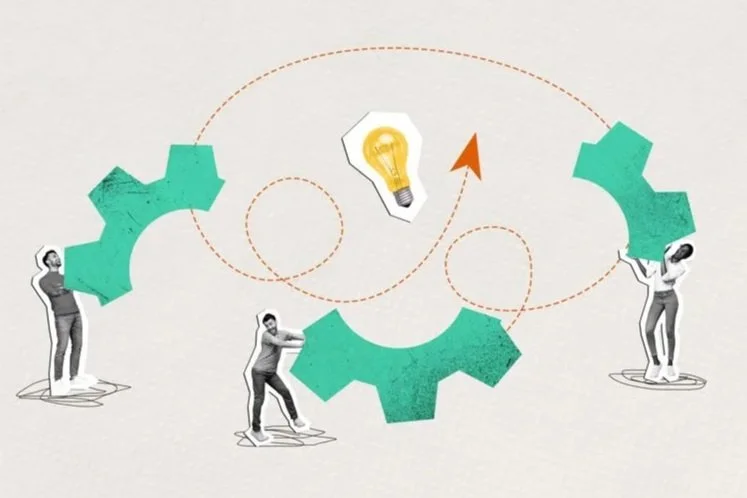
Innovation is a team sport
Successful innovation teams involve different cross-functional partners early in the process. It's better to capture different perspectives and thought-starters sooner, and factor these into your learning plan.
As you experiment with initial concepts and prototypes, expose them to your sales, category, finance, regulatory, and agency partners for feedback. Be open to flaws and blind spots in your thinking.
It can only improve the quality of ideas emerging from the innovation process.